
Studio tableware 'Simple White'
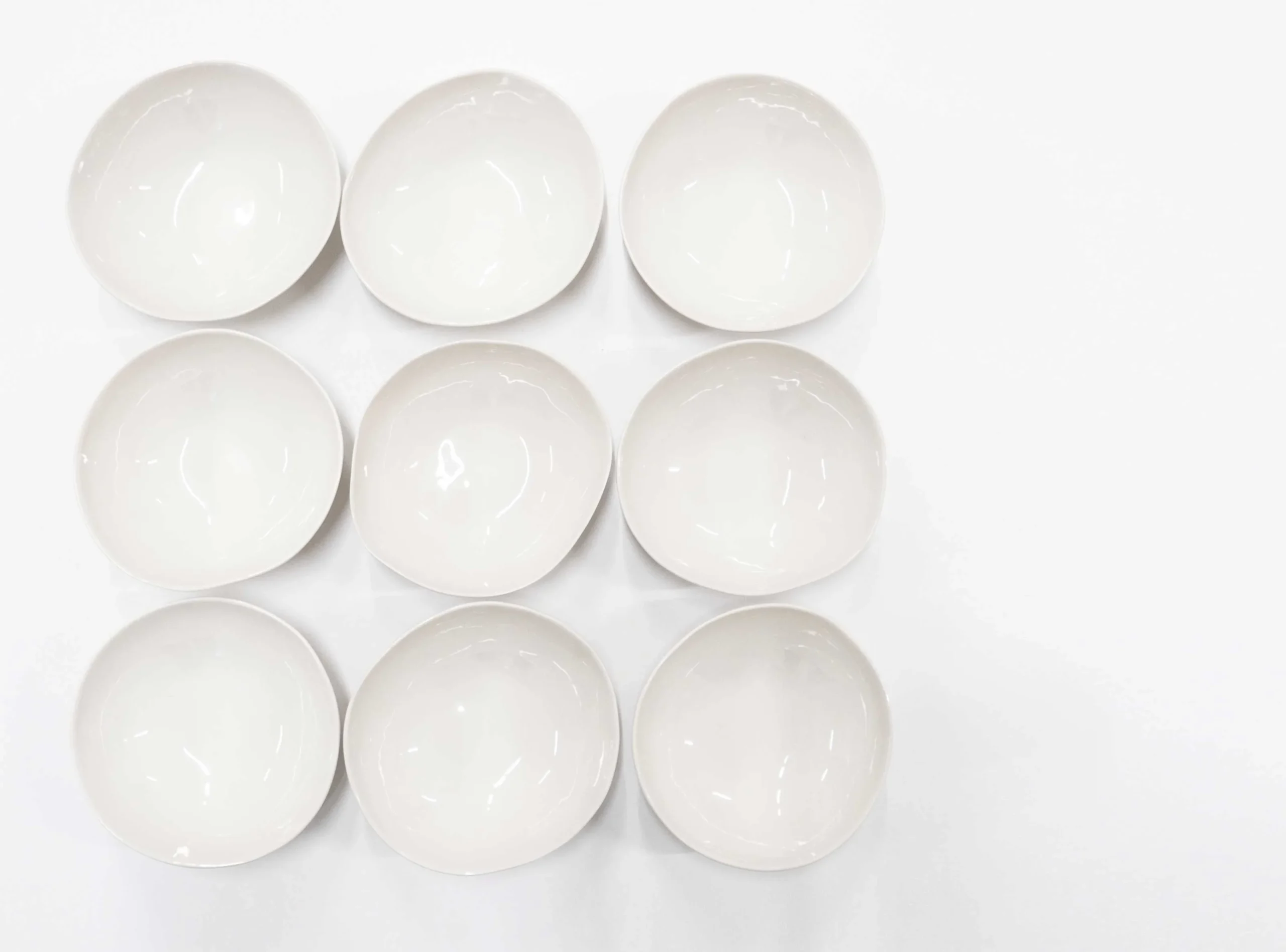
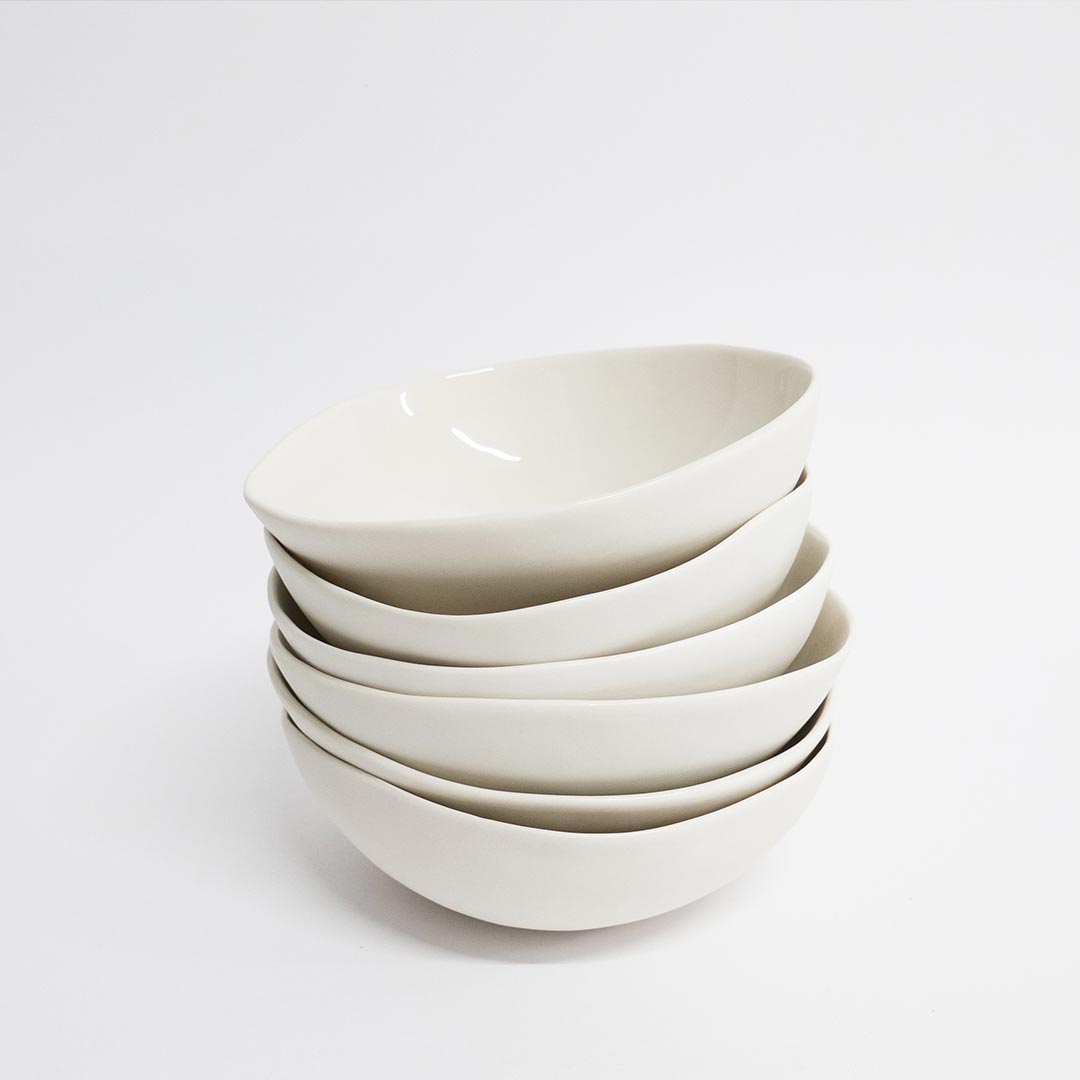
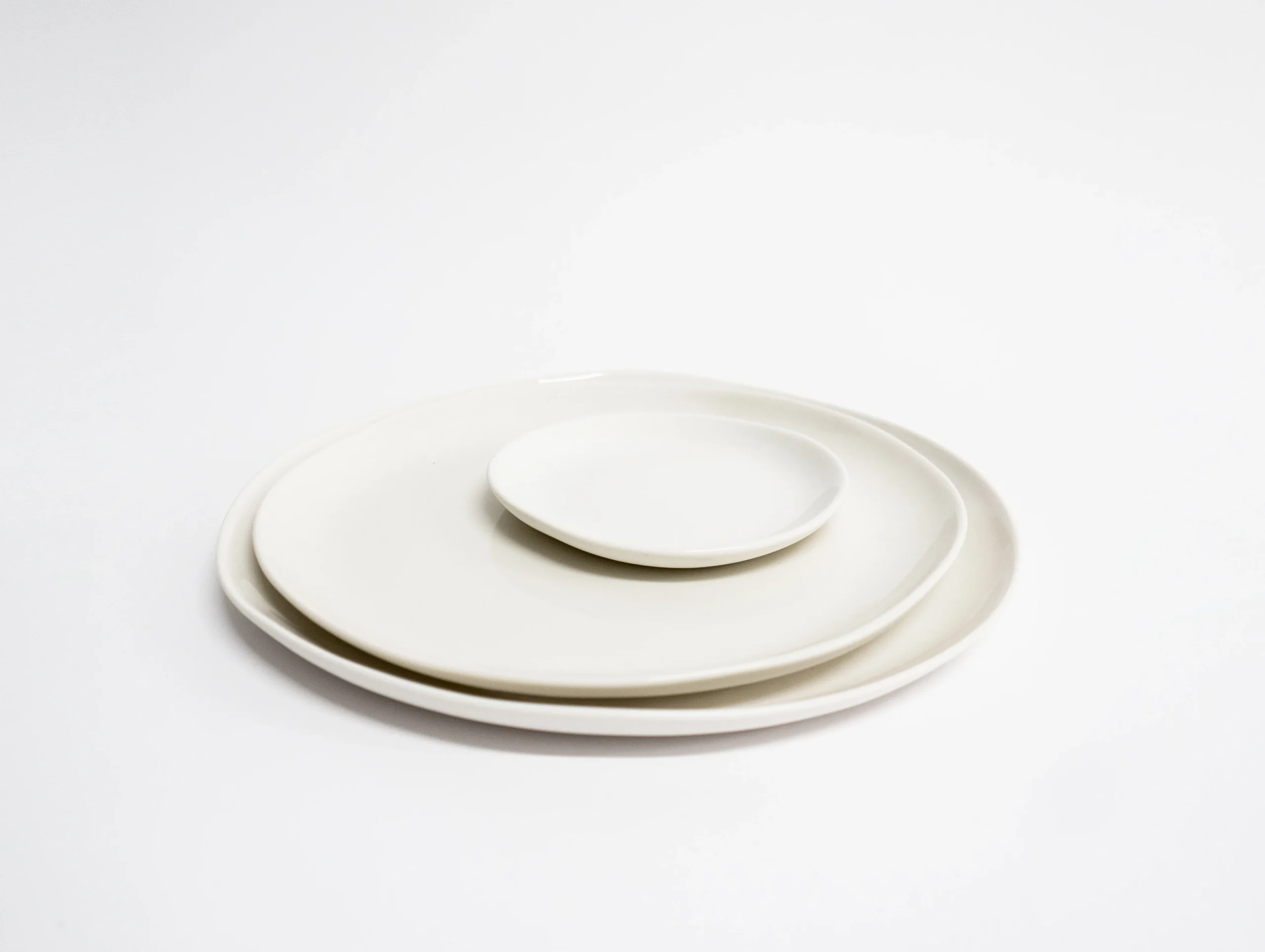
The tableware series 'Simple White' is reduced to the simplest basic forms for bowls, cups, and plates, putting the focus on the material, porcelain, and on the qualities of handmade production. Each piece is shaped from a simple geometric form that then deforms differently during drying and firing. This deformation comes from the material itself and is allowed to happen on purpose. What would normally be considered a flaw in ceramic craft is a deliberate part of the design here. How each piece deforms can only be controlled to a certain degree: room is given to chance, so each piece is fundamentally the same, yet slightly different.
To highlight the unique texture of the porcelain, the pieces are glazed only on the inside and left with a velvety, unglazed finish on the outside. The natural deformation and the warm white tone of the porcelain complement all dishes perfectly.
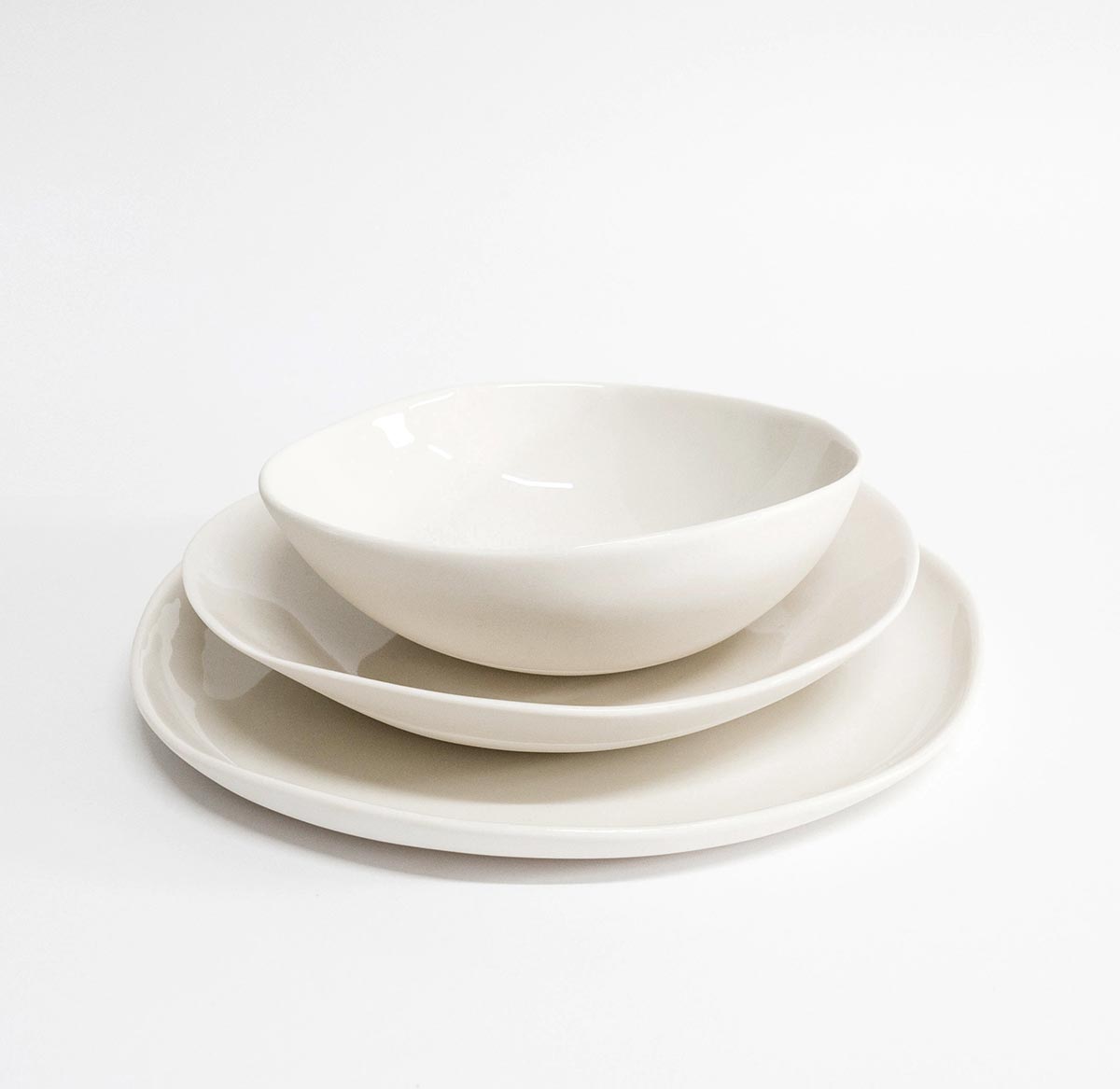

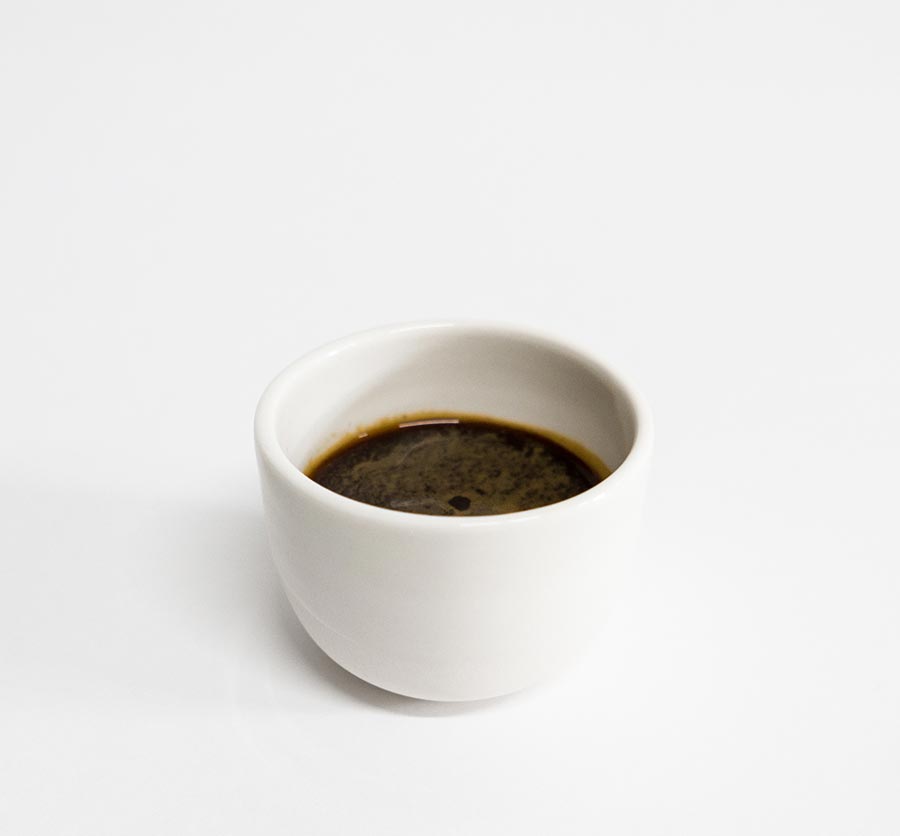
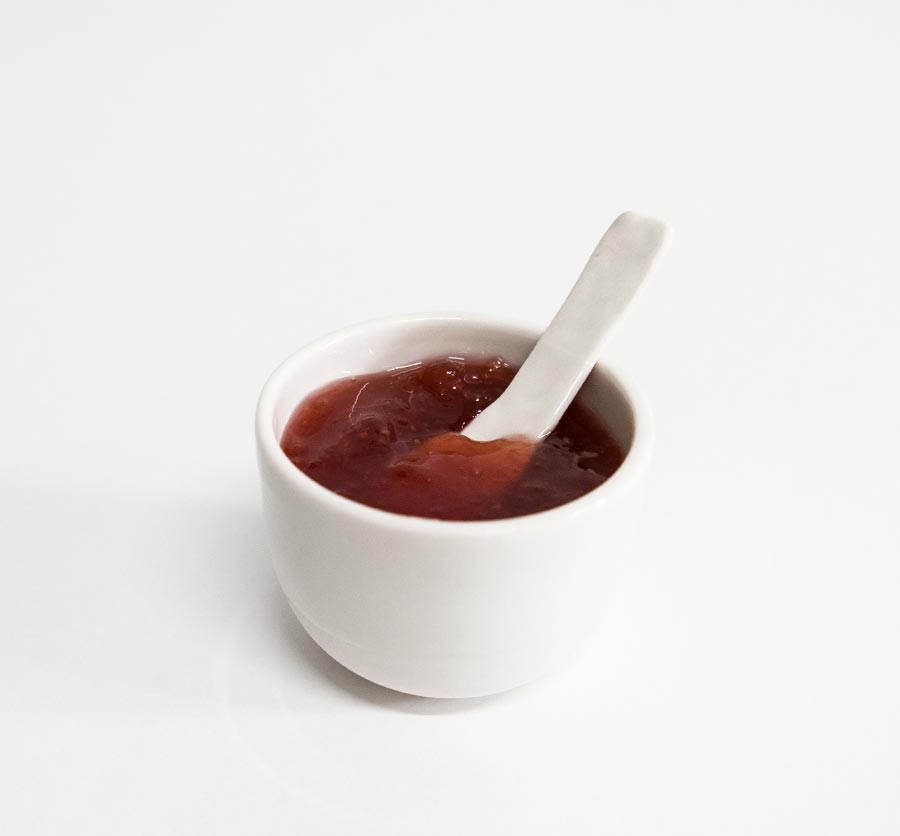
The tableware pieces are designed—in shape and size—not for a single use, but to keep their use as open as possible. The cups, for instance, have no handles, making them closer to vessels than cups.
Craft
With enough practice, a person can produce several identical items by hand with incredible precision. But what exactly is the difference between handcrafting and industrial manufacturing?
A key difference is that manual processes are not preprogrammed. In handmade production, it is possible to follow the material more closely and decide during the creative process how much control to apply and how much room to give to the material’s unique characteristics — and thus also to chance. This tableware collection can only be made by hand.
Minimizing Waste
As part of the design, irregularities and chance are not only fascinating, but they also reduce production waste since variation becomes a distinctive feature that is intentionally incorporated.
Resource-Efficient
The focus is on the porcelain and its natural color as well as possible surface textures, not on glazes. Colored glazes are completely avoided. Clay and clay remnants are largely collected, processed, and reused.
The tableware series is available exclusively in the studio shop.
Are you looking for tableware for your restaurant? Please feel free to write.
Usage
One-of-a-kind, in series
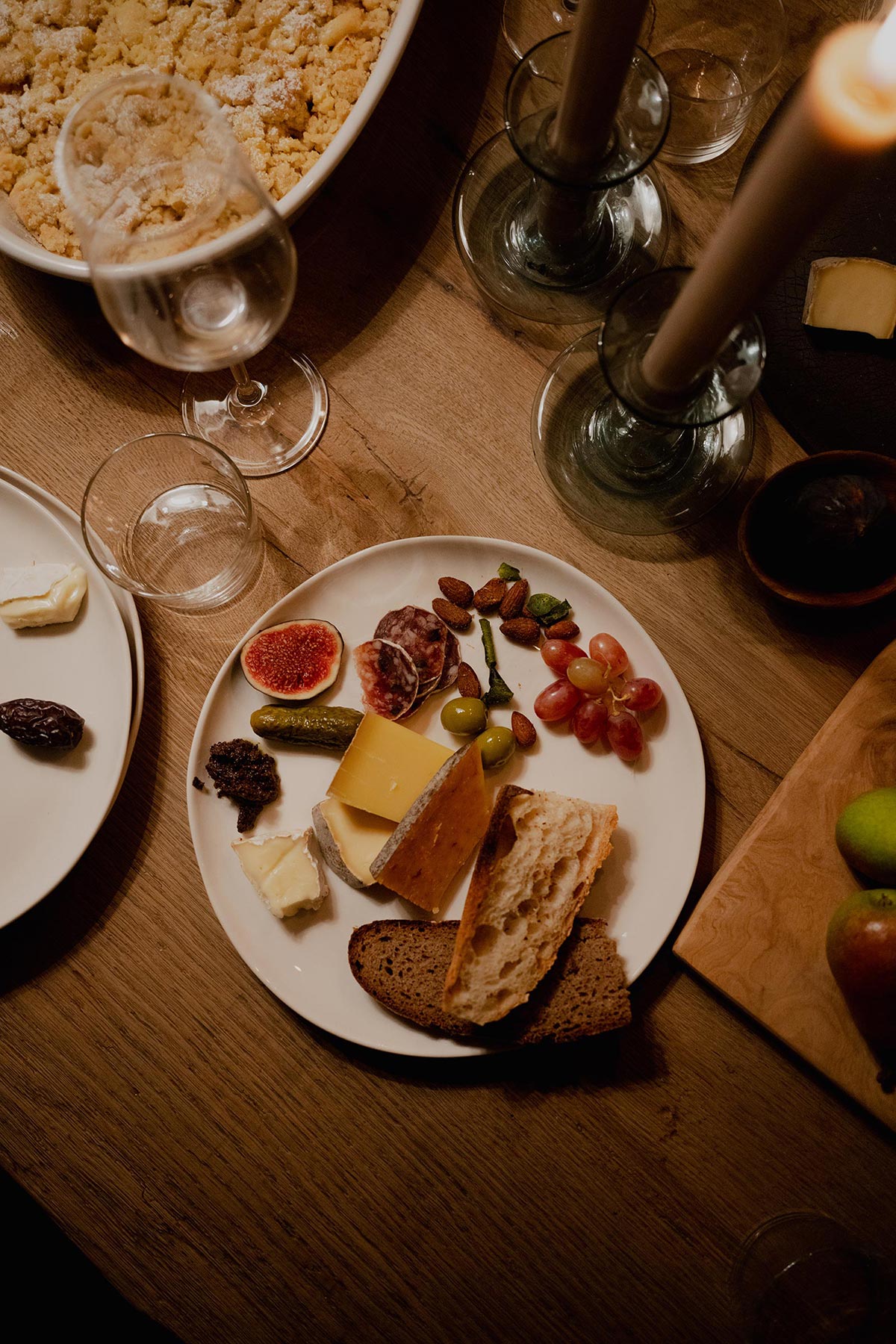
Hotel ‚Das Edith‘
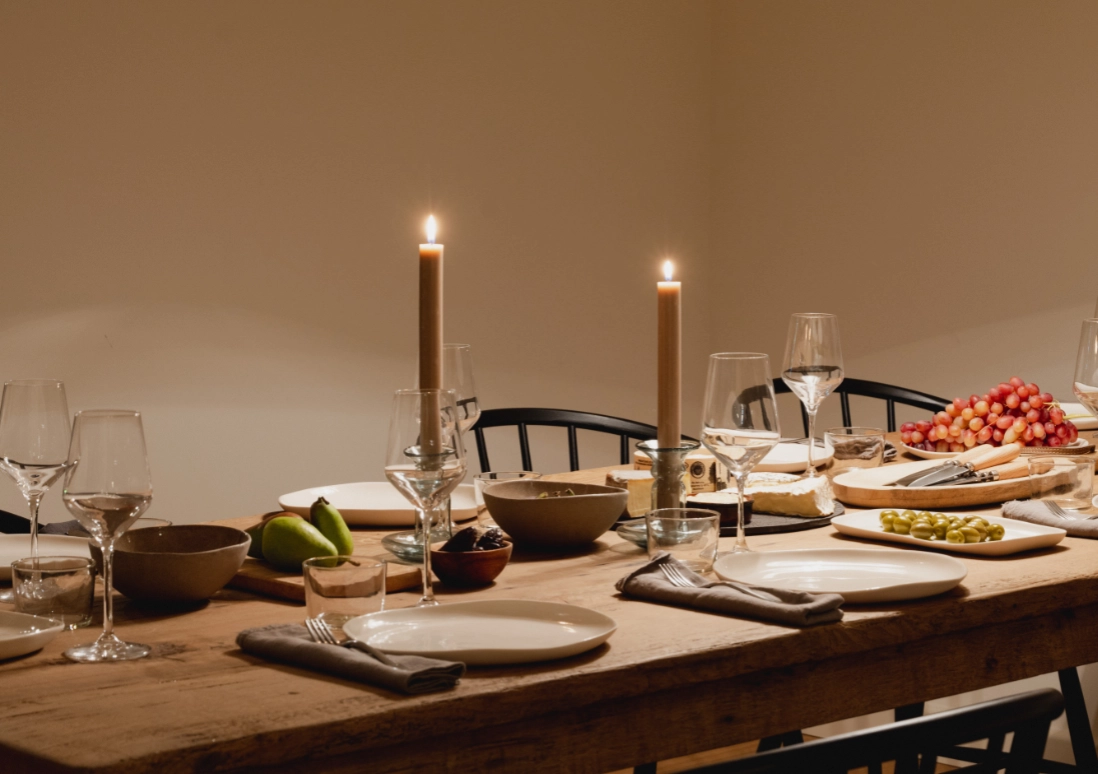
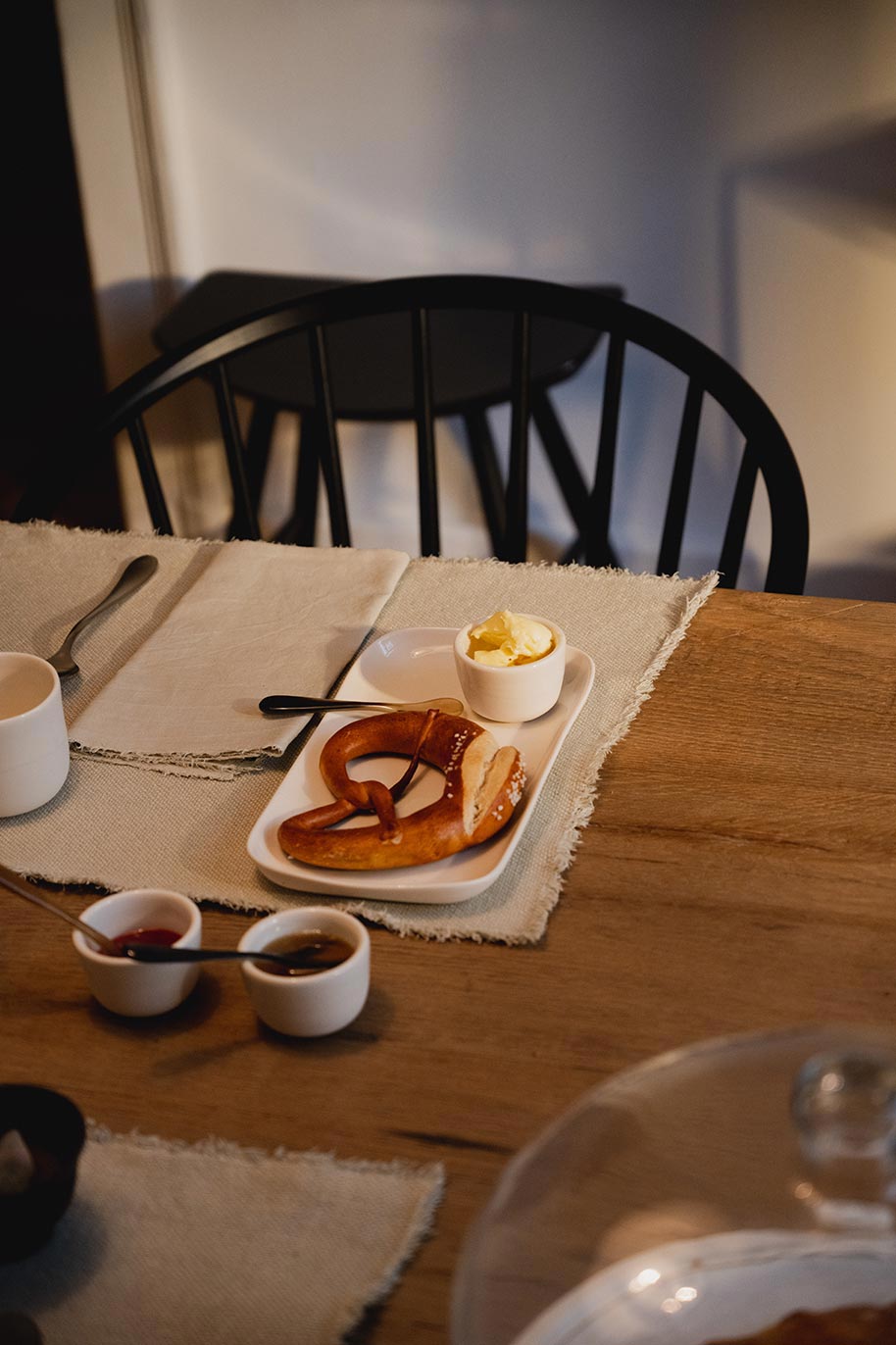
For Hotel Das Edith, the 'Simple White' tableware series was paired with the 'Simple Grey' series, as well as individual pieces from the 'Dry Earth' series. The mix of differently colored materials—white porcelain, black and warm grey stoneware—along with the different surfaces of the ceramics, creates a lively atmosphere at the table.
- 2022
- Photos Peter Oliver Wolff
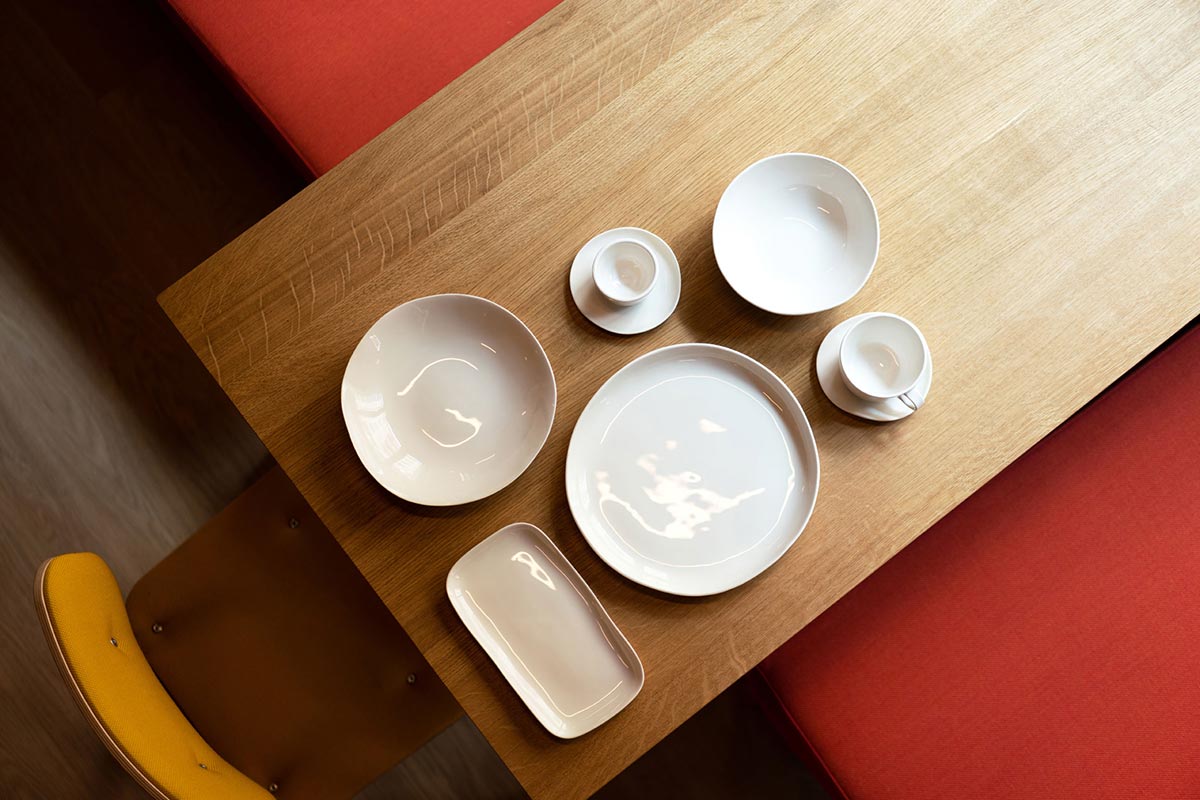
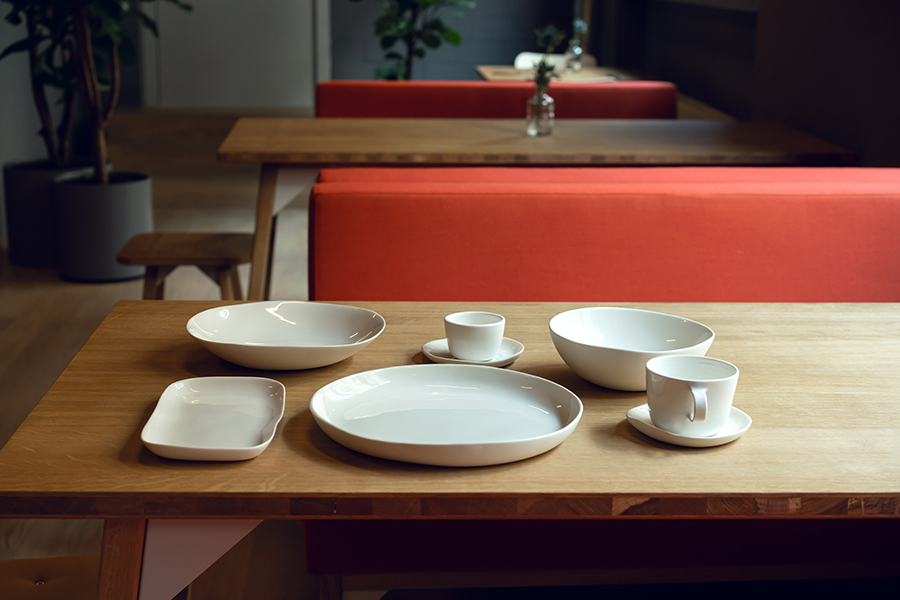
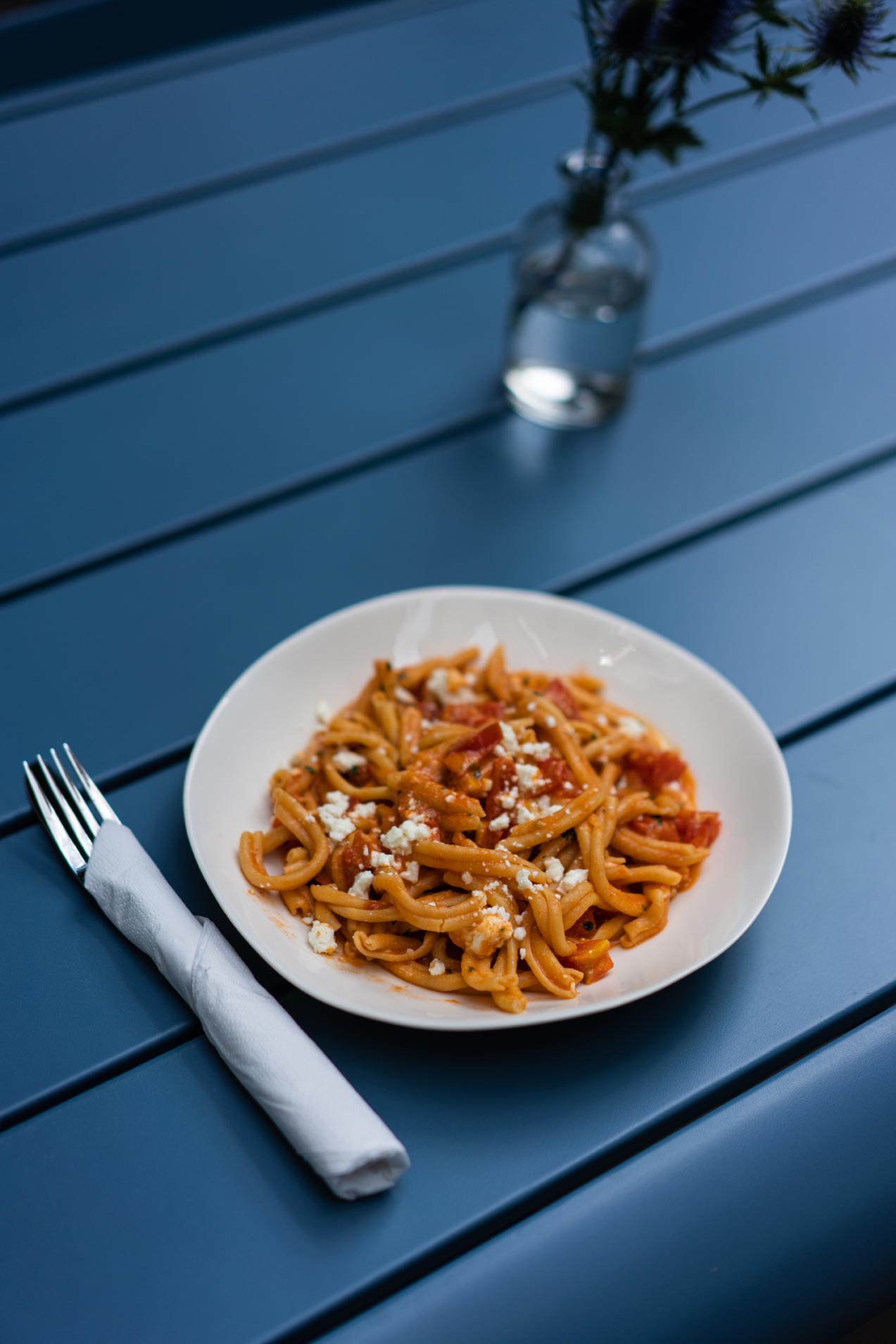
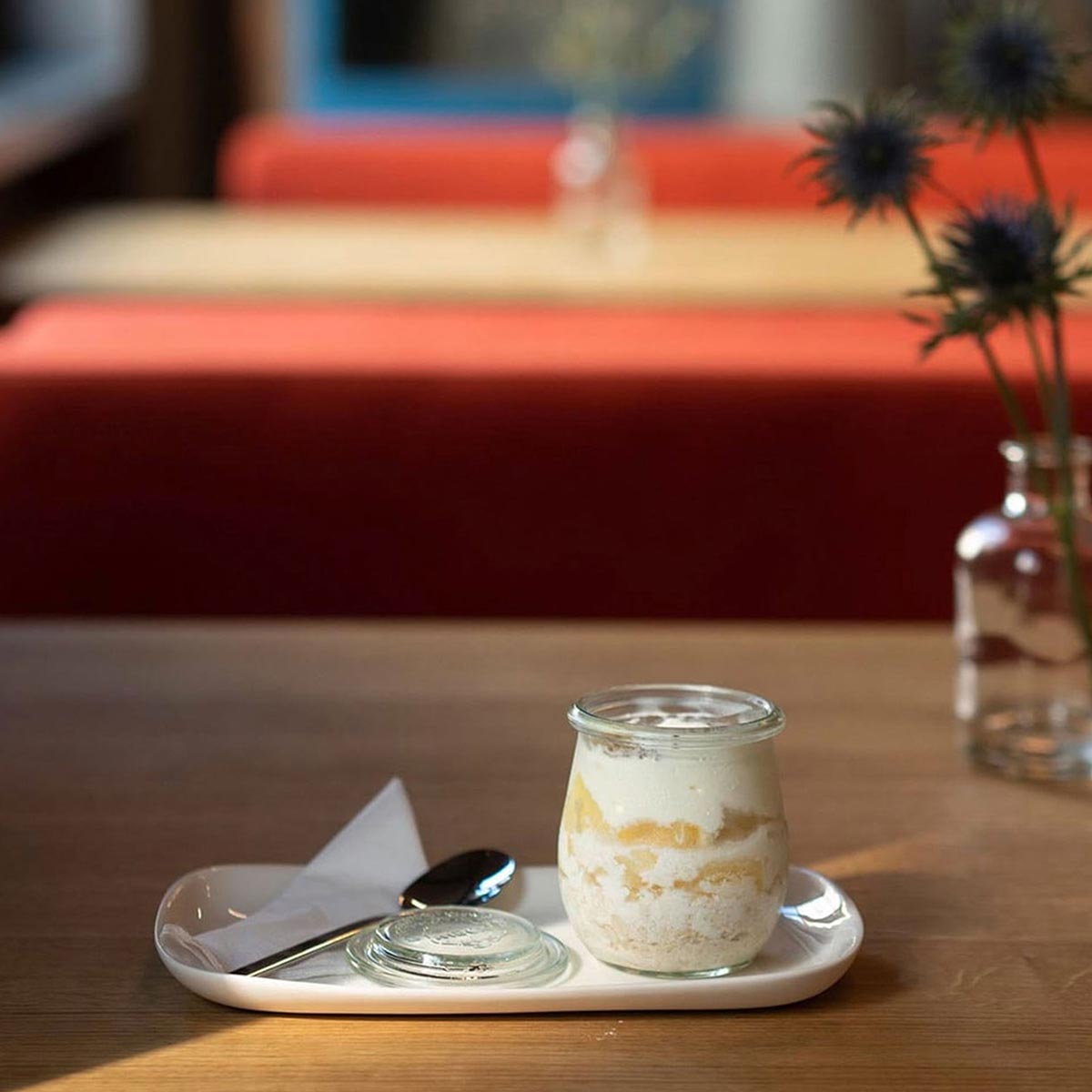
Restaurant ‚Im Künstlerhaus‘
The 'Simple White' tableware series was originally designed and manufactured for the restaurant, with a higher plate rim for professional kitchen use.
- 2018
- Photos by Manuel Wagner