Irregularities as Part of the Design
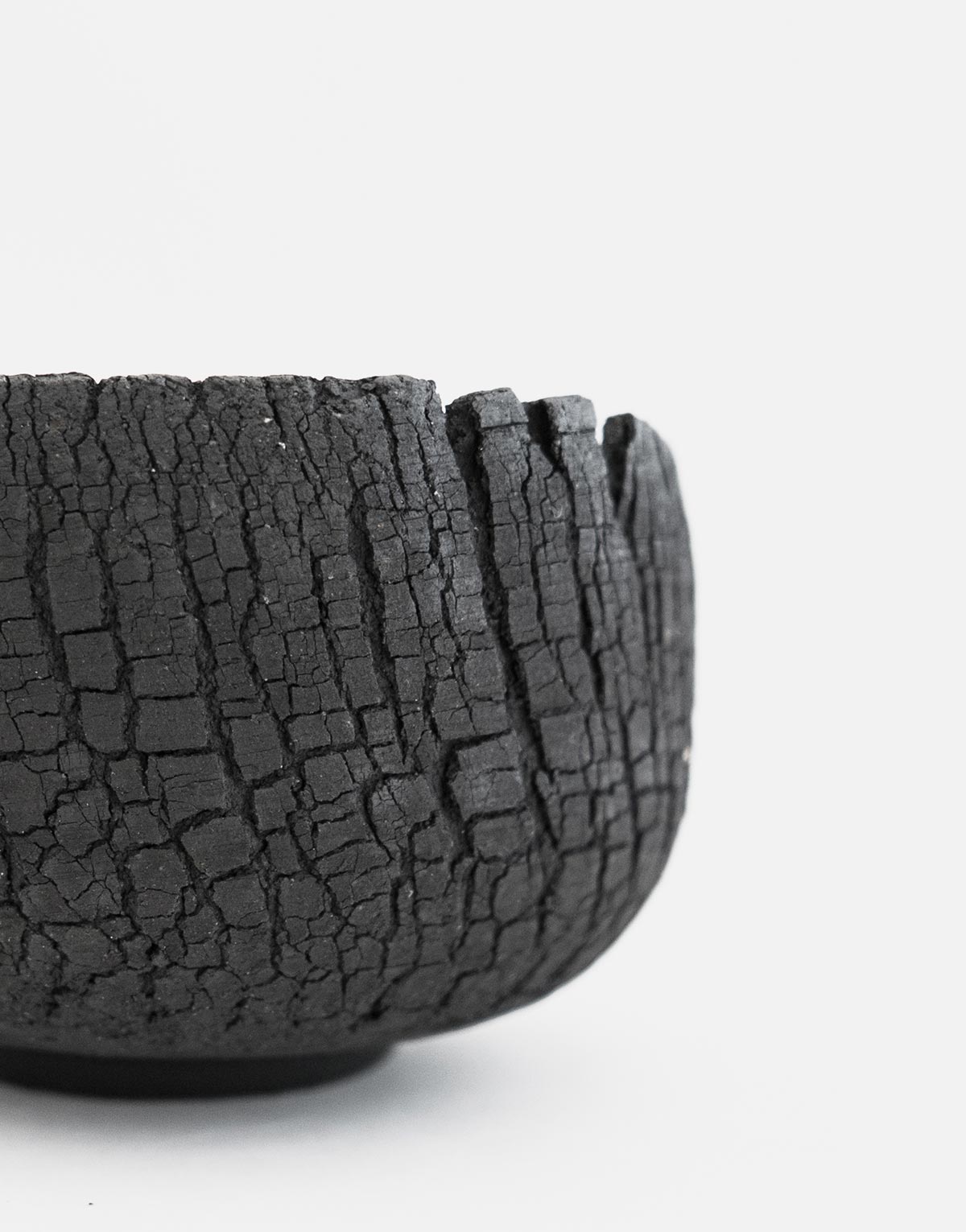
There is a beauty in chance that cannot be created by hand or machine. This is reflected in the characteristic surface textures of the objects, which take shape in an exciting interplay of control and chance: I create the conditions for them to form, but leave their exact expression to the material itself.
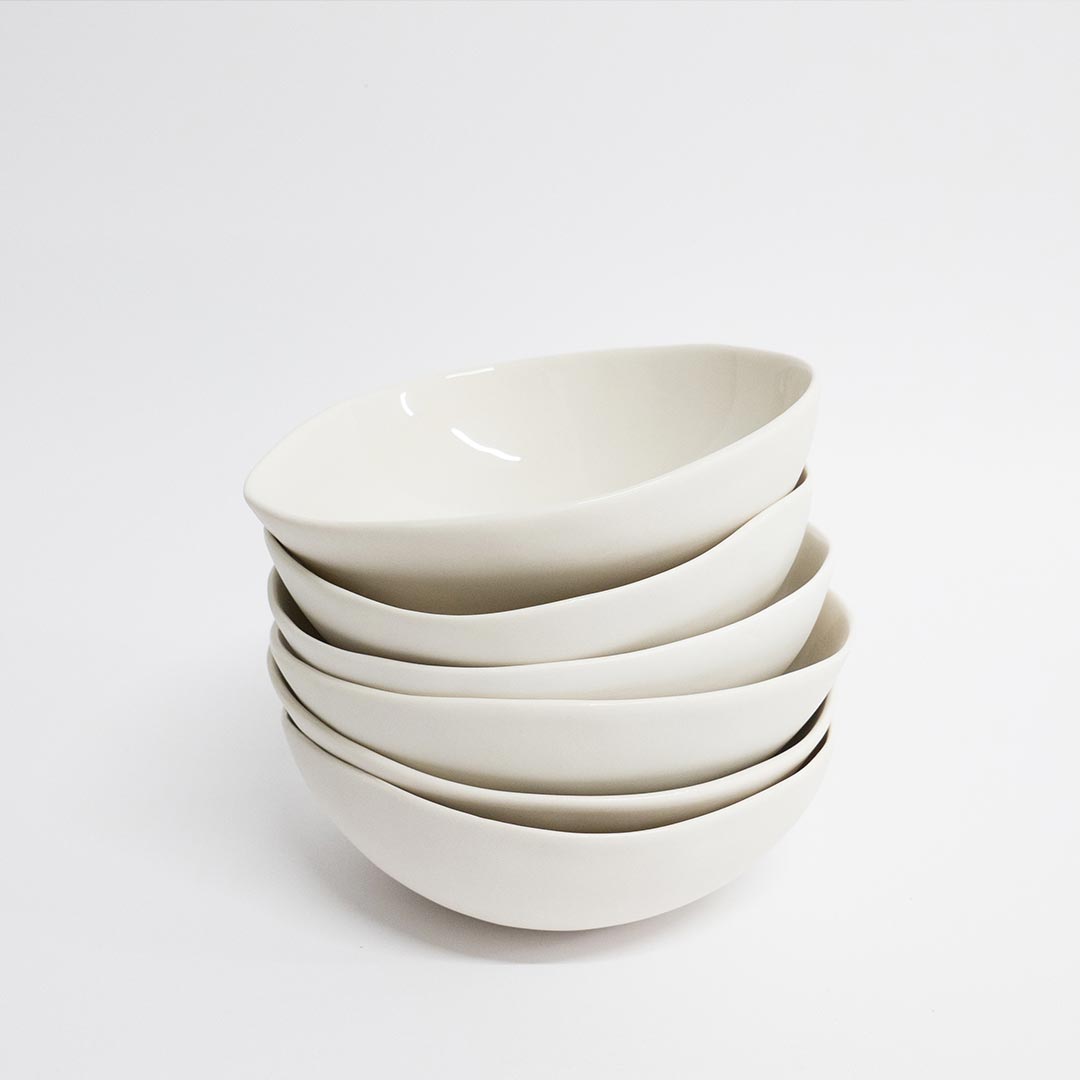
This also significantly reduces production waste. What would otherwise be consider a flaw, such as an uneven surface or a warped piece, becomes a defining feature here. The result is individual pieces within a series production: all made the same way, yet each one slightly different—one-of-a-kind, in series.


Following the Material
With enough practice, a person can produce several identical pieces by hand with incredible precision. At the same time, irregularities are seen as a lack of craftsmanship. But what exactly is the difference between handmade and industrial manufacturing?
Anyone in search of pure precision could simply manufacture industrially. What makes working by hand interesting is something else: the freedom to follow the material. In the moment of making, you decide how much control to exert—and how much room to leave for the material's own character, and for chance.


Research-based:
In independent research and analysis, the focus is less on specific briefs, more on curiosity that leads to exciting discoveries and insights. The haptic research focuses on raw materials, manufacturing processes, circular economy, and the connection between human, environment, and object. These aspects are examined in more detail through experimentation. The discoveries and insights are then translated into design concepts and transferred to concrete products. Products that people enjoy using, that invite a closer look, and awaken curiosity. In self-initiated projects, the entire process from idea to end product can be viewed, controlled, and realized holistically.