Irregularities as Part of the Design
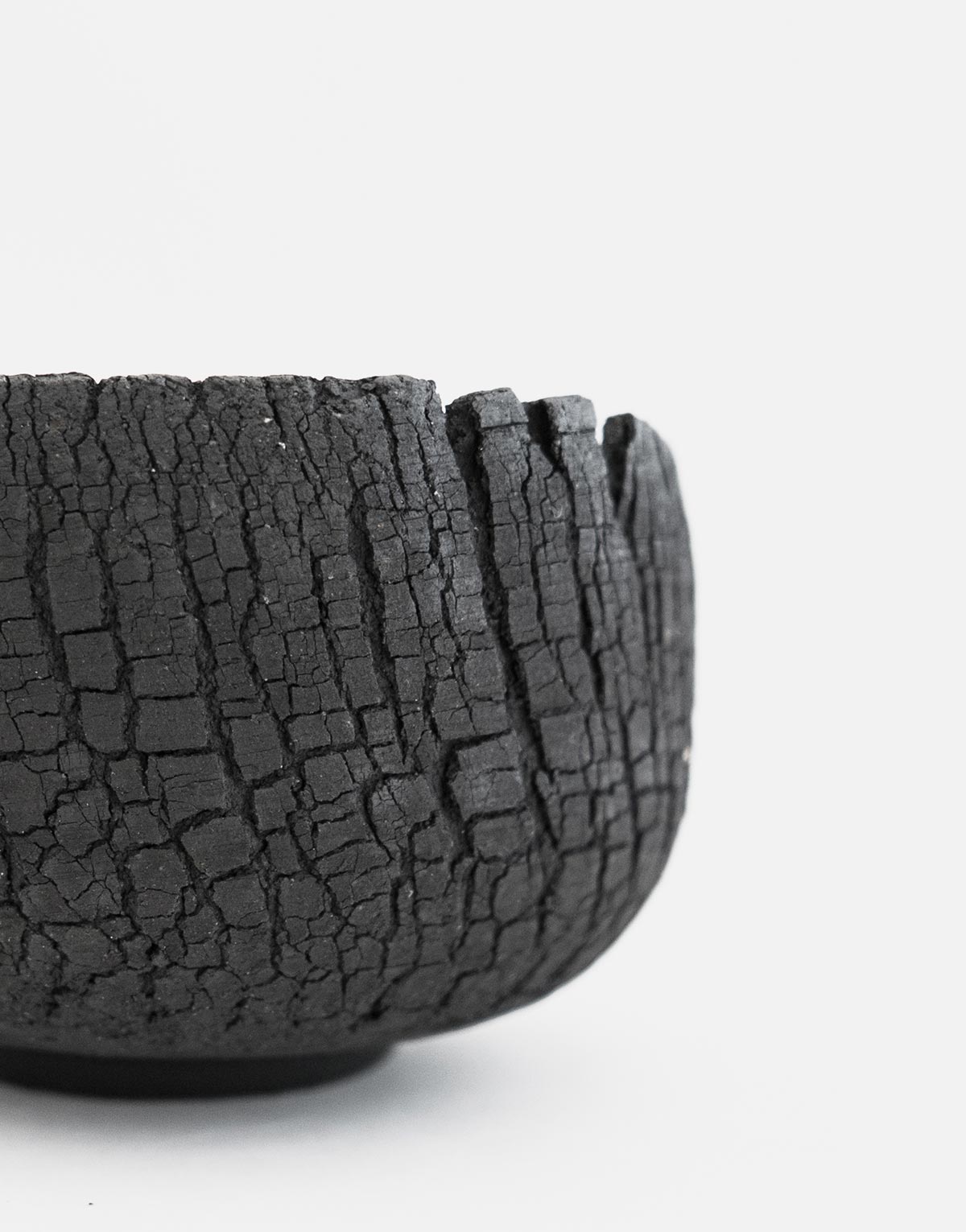
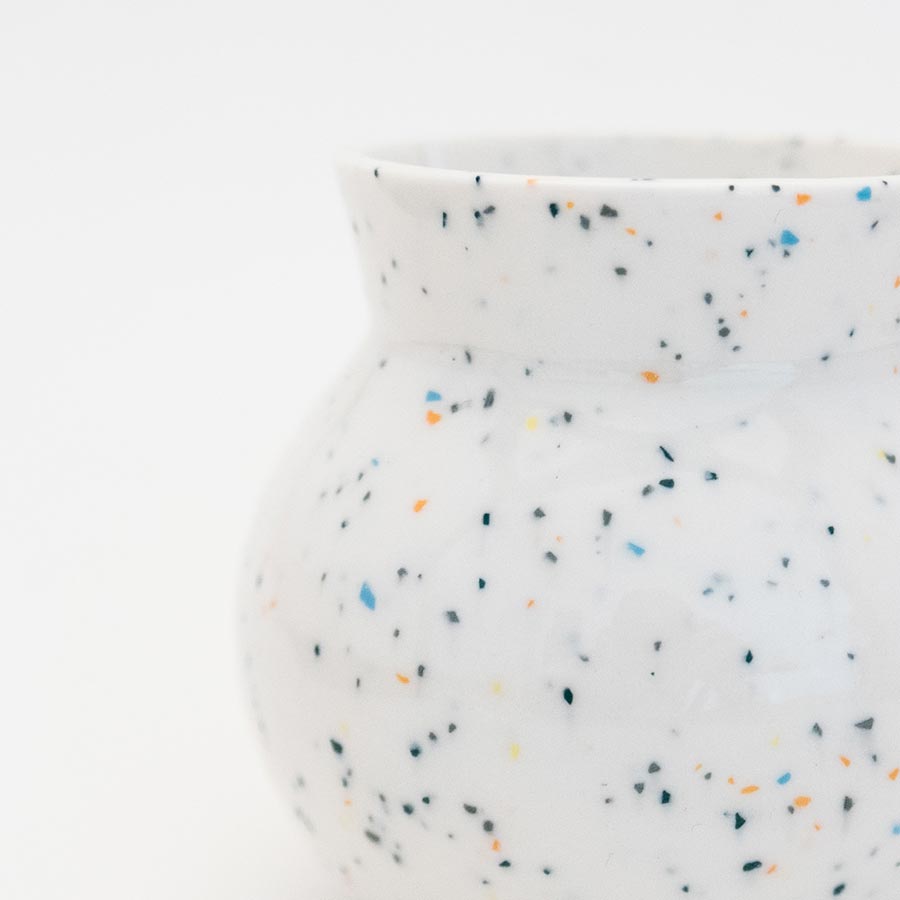
Irregularities are often taken as a sign of limited skill. In the studio series, they are invited: they grow out of the material and express its own character.
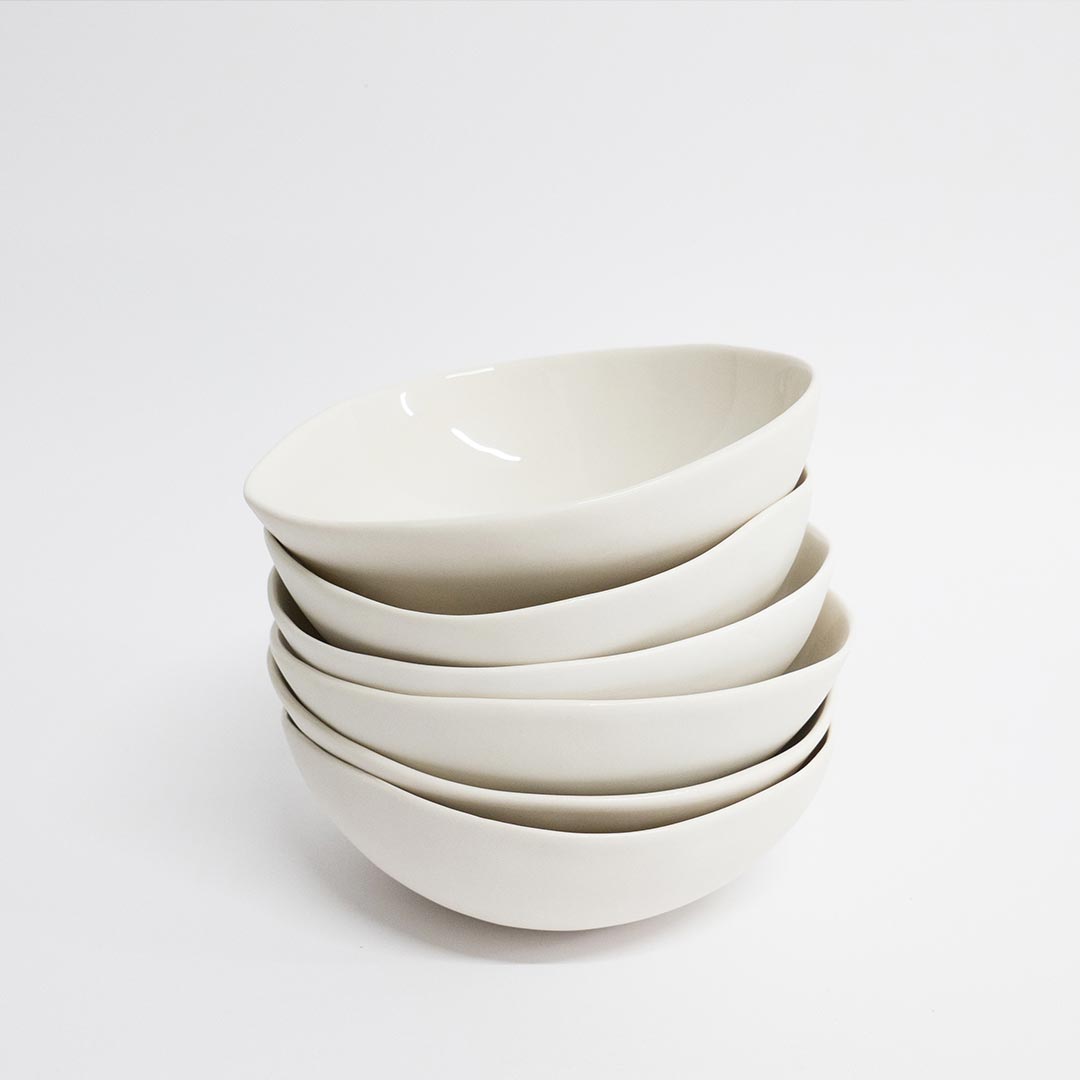
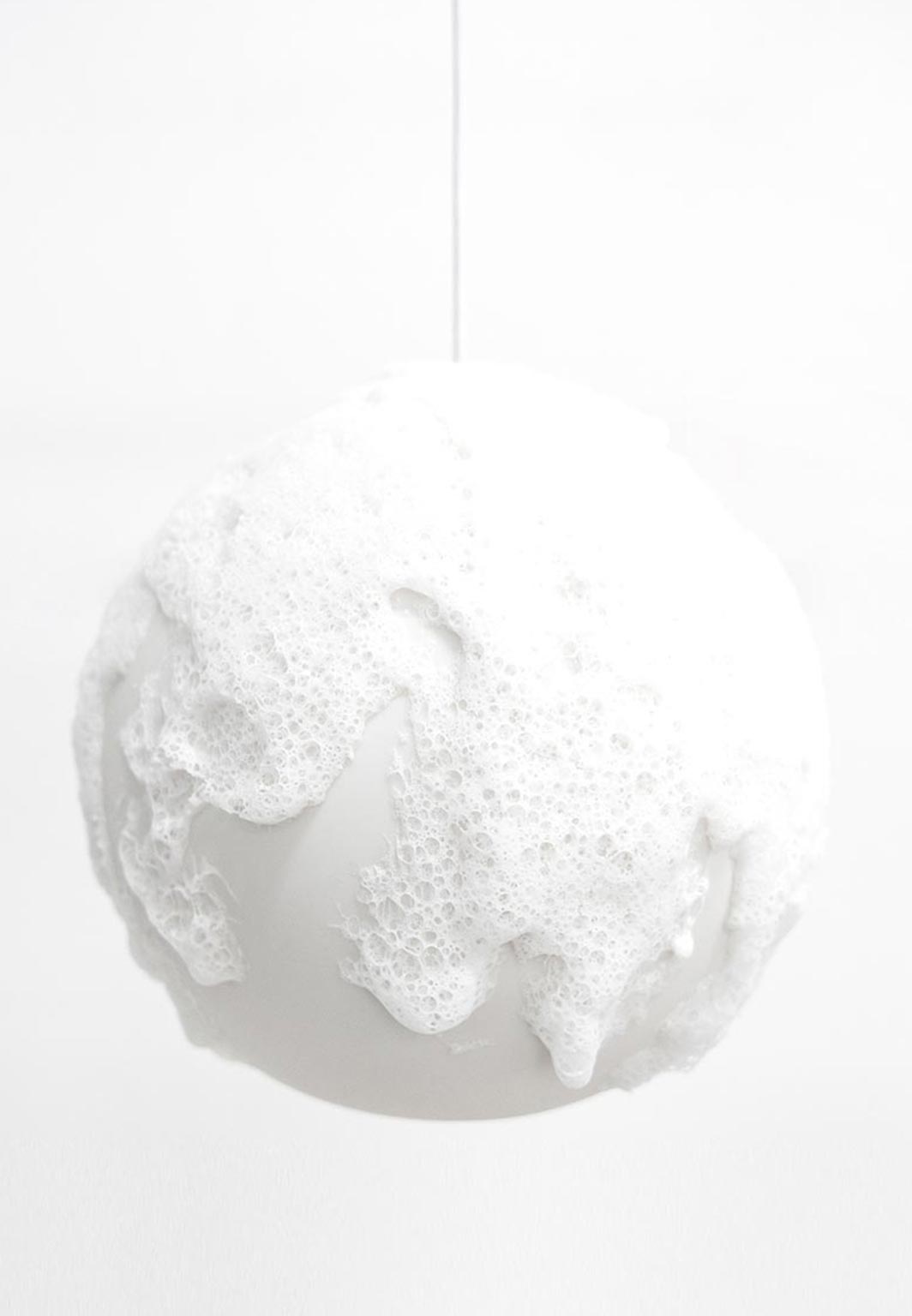
What might otherwise count as a flaw, such as an uneven surface or a warped piece, becomes a defining feature, and so part of the design. These features take shape in an exciting interplay of control and chance: I create the conditions for them to form, but leave their exact expression to the material itself. Chance creates a beauty that neither hand nor machine can achieve. The result is one-of-a-kind pieces, in series—made the same way, yet each one slightly different.
And what does not count as a flaw does not need to be discarded, which significantly reduces production waste.
Following the Material
With enough practice, it is possible to make several identical pieces by hand with remarkable precision—almost like a machine. So where exactly does the difference between handmade and industrial production lie?
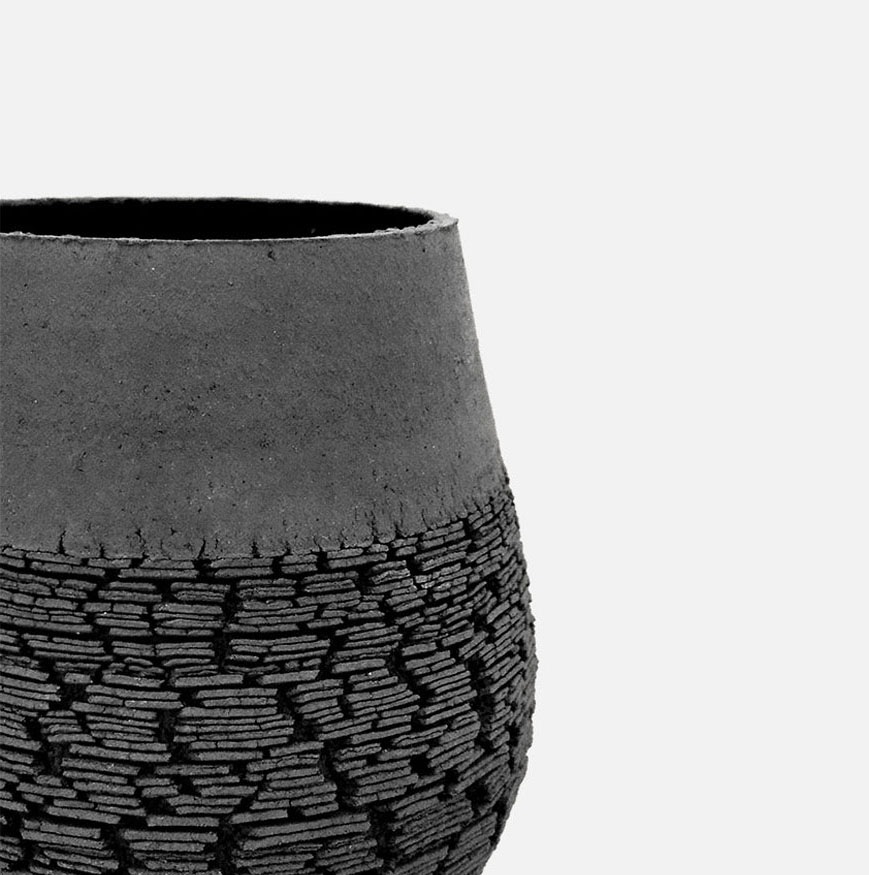
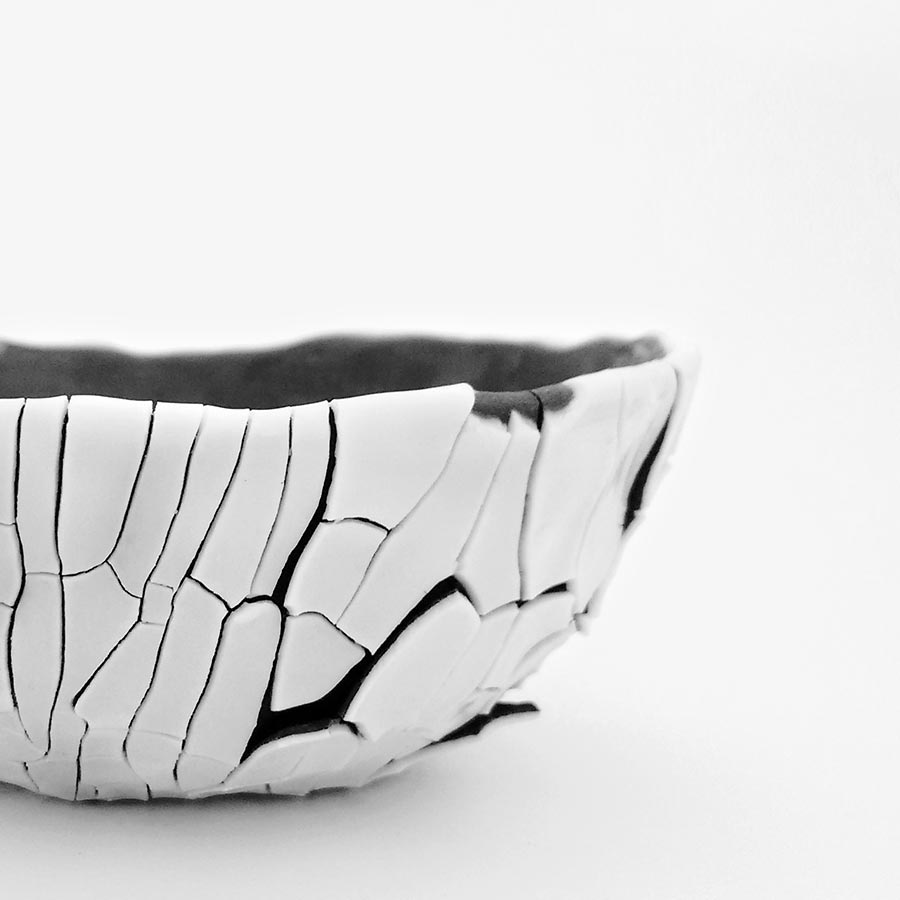
If pure precision is the goal, industrial manufacturing is faster and cheaper. What sets working by hand apart is the freedom it offers: to follow the material, and to decide in the moment of making how much control to exert and how much room to give to the material’s own character and to chance.
Following the Path of the Material
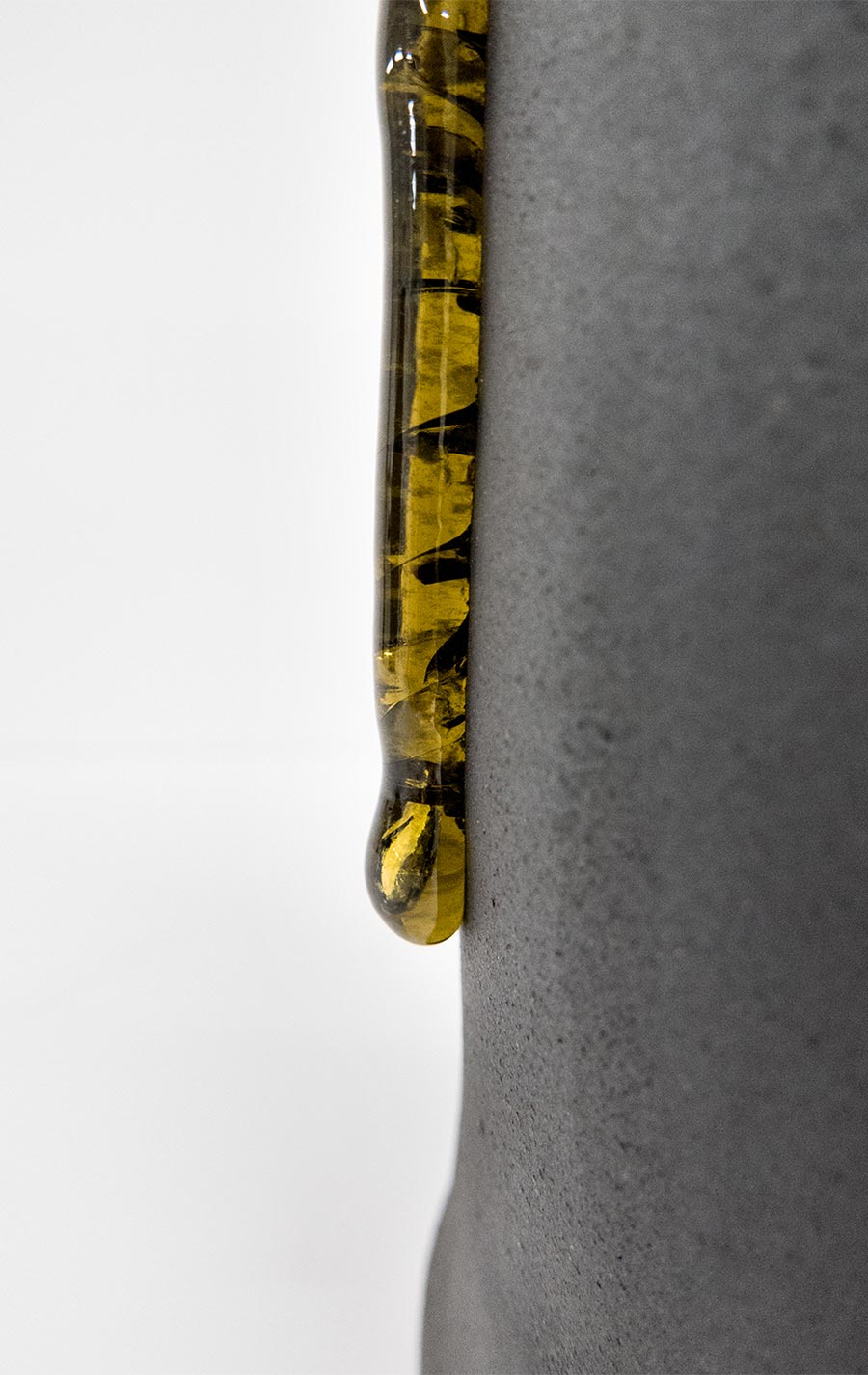
Following the path of a material means understanding where it comes from, how it is extracted, and how it is processed. The oxides used in colored glazes, such as cobalt or copper, are often mined under precarious working conditions and at considerable environmental cost. The ceramic studio series therefore deliberately forgo colored glazes. This is more sustainable and, at the same time, brings out the beauty and particular qualities of the material.
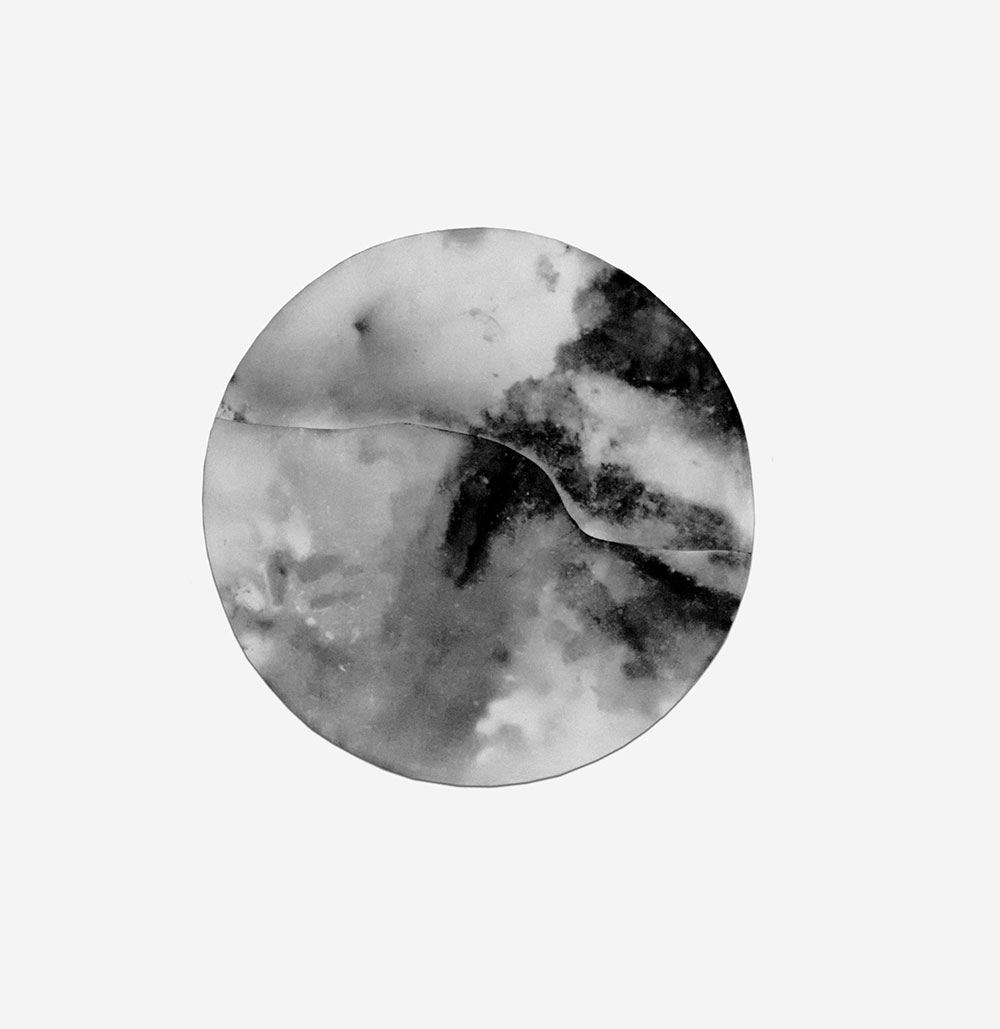
Research-based work also repeatedly reveals connections to other materials, processes, and themes—opening up new ways to bring waste back into circulation and to uncover untapped potential in materials otherwise considered worthless. This is where design shows its strength as a tool: it can find solutions, but it can also spark curiosity, make issues visible, and offer an unexpected perspective on material and craft.